Introduction: Why an Emergency Fund Is Your Financial Safety Net
An emergency fund is one of the most critical components of personal financial planning, yet many people overlook it while focusing on investments and other long-term goals. Life is unpredictable. Whether you face unexpected medical expenses, job loss, car repairs, or home emergencies, having a dedicated financial cushion can prevent you from falling into debt or making hasty financial decisions. According to financial experts, an emergency fund isn’t just important—it’s essential for maintaining financial stability and achieving long-term wealth building goals.
Without an emergency fund, many individuals turn to high-interest credit cards, personal loans, or other expensive borrowing methods when unexpected expenses arise. This creates a cycle of debt that can take years to recover from. In contrast, people with a well-funded emergency fund can handle financial shocks without derailing their overall financial plan. This comprehensive guide will walk you through everything you need to know about building an emergency fund in 2025.s3.amazonaws
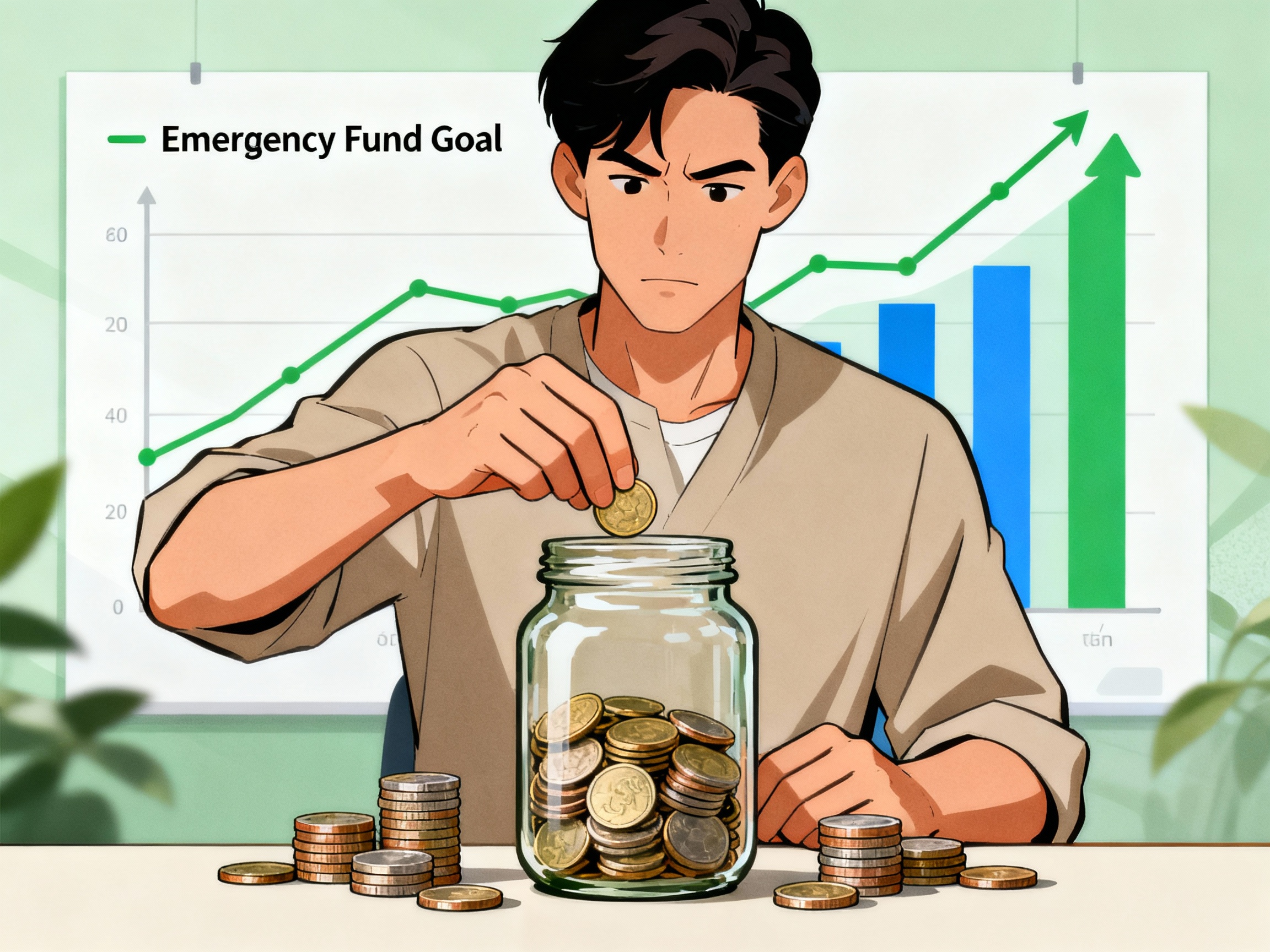
Emergency Fund Financial Planning Guide – Building Your Financial Security
Section 1: Understanding Emergency Funds and Their Importance
What Exactly Is an Emergency Fund?
An emergency fund is money set aside specifically for unexpected expenses and financial emergencies. Unlike your regular savings or investment accounts, your emergency fund serves as a financial buffer that you can access quickly without penalty. This fund is separate from your regular checking account and should be kept in a readily accessible account, such as a high-yield savings account, where you can withdraw funds within 24 hours if needed.
The purpose of an emergency fund is simple but powerful: it provides financial security and peace of mind. When unexpected events occur—medical emergencies, job loss, urgent home or car repairs—you won’t be forced to go into debt or liquidate long-term investments at unfavorable times. This is why financial advisors consistently recommend building an emergency fund as the first step in any financial plan, even before aggressive investing.
Why You Need an Emergency Fund: Real Consequences
Without an emergency fund, common emergencies can become financial disasters. A single job loss could mean missed rent payments, defaulted loans, and damaged credit scores. A medical emergency could result in expensive hospital bills that insurance doesn’t fully cover. A car breakdown could prevent you from getting to work, creating a cascading financial crisis. These scenarios are not hypothetical—they happen to millions of people every year.
The psychological benefit of having an emergency fund is equally important. Knowing you have financial backup reduces stress and anxiety about money. This mental peace translates into better financial decision-making overall. Instead of making panic purchases or taking on expensive debt, you can handle emergencies calmly and strategically.
Section 2: How Much Should You Save? Calculating Your Emergency Fund Target
The Three-to-Six Month Rule
The golden standard in personal finance is to maintain three to six months’ worth of living expenses in your emergency fund. However, the amount varies based on your personal circumstances, job stability, and lifestyle. Here’s how to determine the right target for you:
Step 1: Calculate Your Monthly Essential Expenses
The first step is identifying how much you spend each month on absolute necessities. Make a list of your essential monthly costs:
- Rent or mortgage payments
- Utility bills (electricity, water, gas, internet)
- Grocery and food expenses
- Transportation costs (car payments, fuel, public transport)
- Insurance premiums (health, auto, home)
- Loan repayments
- Essential medications
Add these up to get your total monthly essential expenses. This number is the foundation for calculating your emergency fund target.
Step 2: Multiply by Three or Six
Once you have your monthly essentials, multiply that number by three for a minimum emergency fund or by six for a more comprehensive one. Here’s an example:
- Monthly essential expenses: $2,000
- Minimum emergency fund (3 months): $6,000
- Comprehensive emergency fund (6 months): $12,000
According to financial experts, if your job is stable and secure, three months may be sufficient. However, if you work in a volatile industry, are self-employed, or have dependents, aim for six months or even more.
Adjusting for Your Circumstances
Self-Employed and Freelancers: If your income is variable, aim for 6-12 months of expenses. Your income may fluctuate significantly, and having a larger buffer protects you during slow months.
Single Earner in a Family: If you’re the primary income provider, maintain a larger emergency fund (6+ months) because a job loss would directly impact your entire family’s financial security.
Multiple Income Household: If you have two stable incomes, three to four months may be adequate, as losing one income wouldn’t create an immediate crisis.
People with Health Concerns: If you or family members have ongoing health conditions, allocate additional funds for potential medical emergencies beyond your insurance coverage.
Section 3: Step-by-Step Strategy for Building Your Emergency Fund
Step 1: Start Small with a Realistic First Goal
Building six months’ worth of expenses can feel overwhelming when you first calculate the number. Instead of getting discouraged, start with a realistic first milestone: aim to save £400-£800 (or the equivalent in your currency). Once you hit that initial goal, you’ll gain momentum and confidence to continue building.
This psychological approach is crucial for success. Achieving small milestones keeps you motivated. Each time you reach a target—whether it’s $500, $1,000, or $3,000—celebrate it. This positive reinforcement helps establish strong financial habits.
Step 2: Create a Budget and Find Money to Save
Before you can save, you need to find money in your current budget. Review your spending from the last three months and identify areas where you can cut back:
- Cancel unused subscriptions: Streaming services, gym memberships, magazines—if you haven’t used it in two months, cancel it.
- Reduce dining out expenses: Eating restaurant meals just 2-3 times per week instead of daily can save you $300-500 monthly.
- Implement meal planning: Planning weekly meals before shopping reduces impulse purchases and food waste, typically saving $50-150 per month.
- Reduce entertainment costs: Host picnics or beach days with friends instead of expensive restaurant outings.
- Make small daily changes: Making your own coffee instead of buying it ($5/day) saves $150/month or $1,800 annually.
The key is that even small changes compound into significant savings. If you find just $5 per day to save, you’ll accumulate $1,825 per year, or $9,125 over five years.
Step 3: Automate Your Emergency Fund Savings
One of the most effective strategies for building an emergency fund is automation. Set up an automatic transfer from your checking account to your emergency fund immediately after you receive your paycheck. This “pay yourself first” approach ensures you prioritize savings before you’re tempted to spend money on discretionary items.
Here’s a practical example:
- Monthly income after taxes: $3,500
- Decide to save: $300/month
- Set up automatic transfer on payday
By automating this process, you remove the temptation and willpower required to save manually. You’ll be surprised how quickly the fund grows when you don’t have to think about it.
Step 4: Put Unexpected Money Into Your Fund
Beyond your regular contributions, direct all unexpected financial windfalls into your emergency fund:
- Tax refunds
- Bonus payments from work
- Cash gifts for birthdays or holidays
- Money from selling unused items
- Freelance income or side hustle earnings
- Cashback from credit card rewards
This accelerates your emergency fund growth without requiring additional sacrifices from your regular budget.
Section 4: Where to Keep Your Emergency Fund
High-Yield Savings Account: The Best Option
Your emergency fund should be kept in a high-yield savings account, not under your mattress or in your regular checking account. A high-yield savings account offers several advantages:
Accessibility: You can access your funds within 24 hours if needed, making it truly liquid in emergencies.
Interest Earning: High-yield savings accounts typically offer 4-5% annual interest rates, meaning your money grows while you’re not using it. On a $10,000 emergency fund at 4.5%, you’d earn about $450 per year.
Safety: Your deposits are FDIC-insured (up to $250,000 in the United States), meaning your money is protected even if the bank fails.
Separation: Keeping your emergency fund in a separate account prevents you from accidentally spending it on non-emergencies. “Out of sight, out of mind” is a powerful psychological tool.
What NOT to Do With Your Emergency Fund
Don’t invest it in stocks or crypto: Your emergency fund should not be invested in volatile assets like individual stocks, cryptocurrency, or growth-focused investments. These can lose value precisely when you need the money most—during a financial crisis.
Don’t keep it in a CD or locked account: While certificates of deposit (CDs) offer slightly higher interest, they penalize early withdrawals. In a true emergency, you need instant access.
Don’t mix it with regular savings: Keep it clearly separate to prevent spending it on non-emergencies like vacations or new gadgets.
Section 5: Overcoming Common Challenges in Building an Emergency Fund
Challenge 1: “I Don’t Have Enough Left Over Each Month”
If you’re struggling to find money to save, you’re not alone. Many people feel their budget is already stretched thin. The solution is to examine your spending with fresh eyes:
Conduct a comprehensive spending audit: Review three months of bank and credit card statements. Categorize every expense. Most people are shocked to find money “leaking” in small subscriptions, convenience purchases, and impulse spending.
Differentiate needs from wants: Create two lists. The first should only include true necessities (housing, food, insurance). The second includes everything else. Look for items in the second list where you can make cuts.
Start even smaller: If you can’t find $300/month to save, start with $50 or $100. Building any emergency fund is better than building none. As you adjust your budget, you can increase contributions.
Challenge 2: “I Keep Dipping Into My Emergency Fund”
If you find yourself using your emergency fund for non-emergencies (like wanting to take a vacation), establish clear rules:
Define what counts as an emergency: Before starting, write down what qualifies: job loss, medical emergency, urgent home repairs, car breakdowns. Non-emergencies include: vacations, new furniture, desire to upgrade your phone.
Use a separate vacation fund: If you want to take vacations, create a separate savings account specifically for that purpose. This prevents confusion and protects your emergency fund.
Implement the 48-hour rule: Before using your emergency fund for something that seems urgent, wait 48 hours. Usually, if it’s truly an emergency, you’ll know. If you forget about it, it wasn’t really an emergency.
Challenge 3: “My Emergency Fund Isn’t Growing Fast Enough”
If you feel your progress is slow, remember that slow is still progress. However, you can accelerate it:
Increase your income: Consider taking on a side hustle, freelance work, or asking for a raise at your job. Even an extra $200/month accelerates your emergency fund significantly.
Sell unused items: Go through your home and sell items you no longer need. Furniture, electronics, clothes, and books can often be sold on online marketplaces. A single successful sale could contribute $100-500 to your fund.
Use the “round-up” strategy: Some banks offer automatic round-up features. When you spend $12.50, they round it up to $15 and transfer the $2.50 to savings. These small amounts accumulate quickly—$2-3 daily adds up to $700-1,000 annually.
Section 6: Financial Planning Beyond Your Emergency Fund
The Financial Hierarchy: What Comes Next?
Once you’ve built your emergency fund, your financial priorities should follow this hierarchy:
- Emergency Fund (3-6 months): Your foundation for financial stability ✓
- High-interest debt repayment: Pay off credit cards and high-interest loans
- Employer 401(k) match: Contribute enough to capture full company matching (free money!)
- Additional debt payoff: Tackle remaining student loans, car payments, mortgages
- Longer-term investing: Build retirement accounts and investment portfolios
This hierarchy ensures you’re maximizing your financial security and long-term wealth building.
Maintaining Your Emergency Fund
Once you’ve reached your three to six-month target, don’t forget about it. Annually review:
- Have your monthly expenses increased? Increase your fund target accordingly.
- Has the account earned interest? Use this to slightly increase your fund.
- If you’ve used emergency funds, rebuild them immediately.
Conclusion: Take Action Today
Building an emergency fund isn’t exciting. It won’t make you wealthy overnight. But it’s one of the most important financial decisions you can make. An emergency fund provides peace of mind, financial stability, and the foundation for all your other financial goals.
The best time to build an emergency fund was years ago. The second-best time is today. Start with your first small milestone of $400-800, set up automated savings, and commit to the process. Within 12-24 months, you’ll have a fully funded emergency fund that transforms your financial security.
Remember: financial success isn’t about earning more or making risky investments. It’s about building solid fundamentals. Your emergency fund is the most important fundamental you can establish.
Take action today: Calculate your monthly expenses, commit to finding $5-50 per day to save, and open a high-yield savings account this week. Your future self will thank you.