Focus Keywords: world news 2025, global news today, international news, geopolitical crisis, Gaza ceasefire, Ukraine peace talks, Hong Kong fire, Venezuela crisis, breaking news analysis
Introduction: Understanding the Global Landscape of 2025
The year 2025 has emerged as a pivotal moment in international affairs, marked by unprecedented diplomatic initiatives, humanitarian crises, and geopolitical tensions that continue to reshape global relationships. As we navigate through November 2025, the world is witnessing simultaneous crises that demand immediate attention and careful analysis. From breakthrough ceasefire negotiations in the Middle East to escalating tensions in the Western Hemisphere, the international community faces critical decisions that will influence geopolitical stability for years to come. Understanding these major world news events is essential for anyone seeking to comprehend current global dynamics and their potential long-term consequences.abcnews.go+2
The significance of monitoring world news and current events cannot be overstated, particularly when multiple crises occur simultaneously across different regions. These interconnected global developments reveal patterns of diplomatic engagement, humanitarian concerns, and strategic realignment that affect not only the directly involved nations but also have ripple effects throughout international trade, security alliances, and refugee movements. This comprehensive analysis examines the most impactful breaking news stories of 2025, providing context, implications, and expert insights into how these events are reshaping our world.aljazeera+2
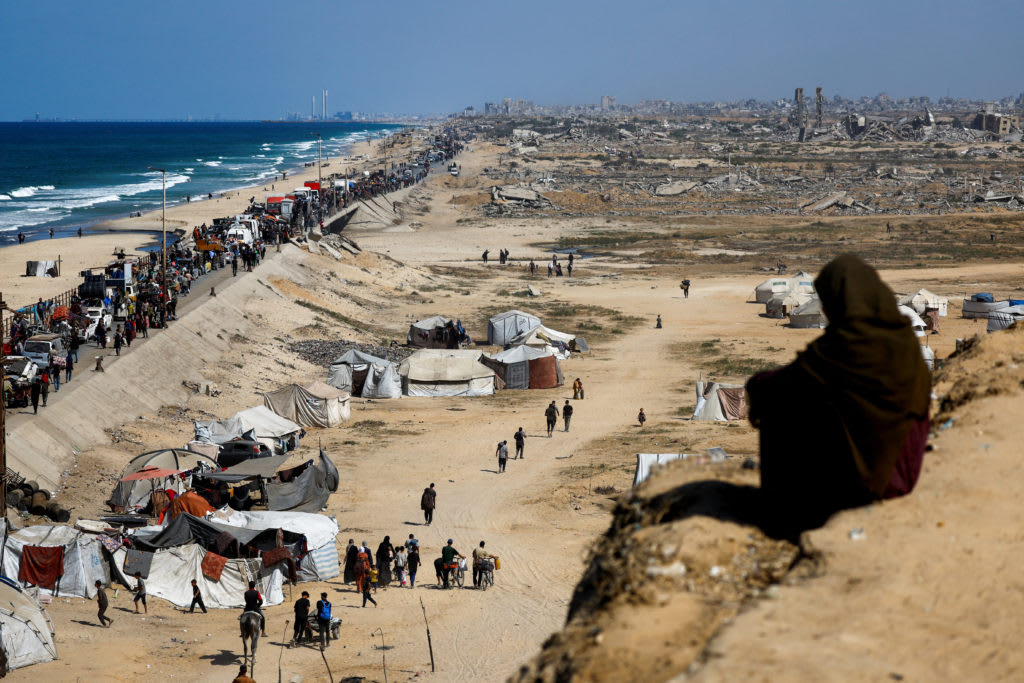
Analysis: Trump achieved a breakthrough Gaza ceasefire, but pbs
Section 1: Gaza Ceasefire and Middle Eastern Peace Negotiations
Understanding the Gaza Ceasefire Breakthrough
In October 2025, the Gaza ceasefire agreement emerged as one of the most significant diplomatic achievements of the year, representing renewed international efforts to end decades of conflict. President Donald Trump played a central role in facilitating these negotiations, drawing on frameworks that included diplomatic engagement with Egypt, Qatar, Jordan, Saudi Arabia, and other regional stakeholders. This multilateral approach demonstrated that achieving peace in the Middle East requires comprehensive regional participation and consensus-building among diverse interests.abcnews.go+1
The ceasefire agreement comprises twenty critical points that address key humanitarian concerns, military withdrawals, and reconstruction initiatives. Unlike unilateral approaches, this framework acknowledges the complexity of the Israel-Gaza conflict by incorporating security guarantees, humanitarian corridors, and mechanisms for preventing future escalation. The involvement of multiple regional powers signals a shift toward more inclusive diplomatic processes that consider the interests of neighboring countries and international stakeholders.pbs
Trump’s Peace Strategy and International Implications
President Trump’s approach to Middle Eastern diplomacy in 2025 has emphasized rapid negotiation and consensus-building. After achieving the Gaza ceasefire breakthrough, Trump immediately pivoted toward addressing the Russia-Ukraine conflict, demonstrating an administration-wide commitment to diplomatic resolution of major international conflicts. Trump’s statement to his special envoy, “If you don’t mind, Steve, let’s concentrate on Russia first, okay?” exemplifies the administration’s priority ranking and strategic focus on ending major conflicts.pbs
The Gaza ceasefire’s success has raised questions about its sustainability and enforcement mechanisms. While the agreement represents a significant achievement, skepticism remains regarding long-term implementation and whether regional parties will adhere to ceasefire terms. Political analysts in Kyiv and Brussels have noted that Trump’s prioritization of announcing ceasefires may supersede concerns about lasting peace implementation, suggesting that the diplomatic framework requires robust oversight mechanisms to prevent future violations.pbs
Humanitarian Impact and Reconstruction Efforts
The humanitarian dimensions of the Gaza ceasefire cannot be understated. The agreement specifically addresses aid delivery, reconstruction funding, and civilian protection mechanisms that recognize the severe humanitarian crisis created by years of conflict. International organizations and regional governments have begun coordinating reconstruction initiatives, with the United States providing significant funding commitments through the diplomatic framework established during ceasefire negotiations.abcnews.go+1
However, humanitarian organizations caution that ceasefire agreements alone do not automatically translate into improved conditions for displaced populations, healthcare systems, or educational institutions. The reconstruction phase requires sustained international commitment, transparent fund management, and coordination among multiple agencies to ensure that humanitarian resources reach vulnerable populations effectively.aljazeera+1
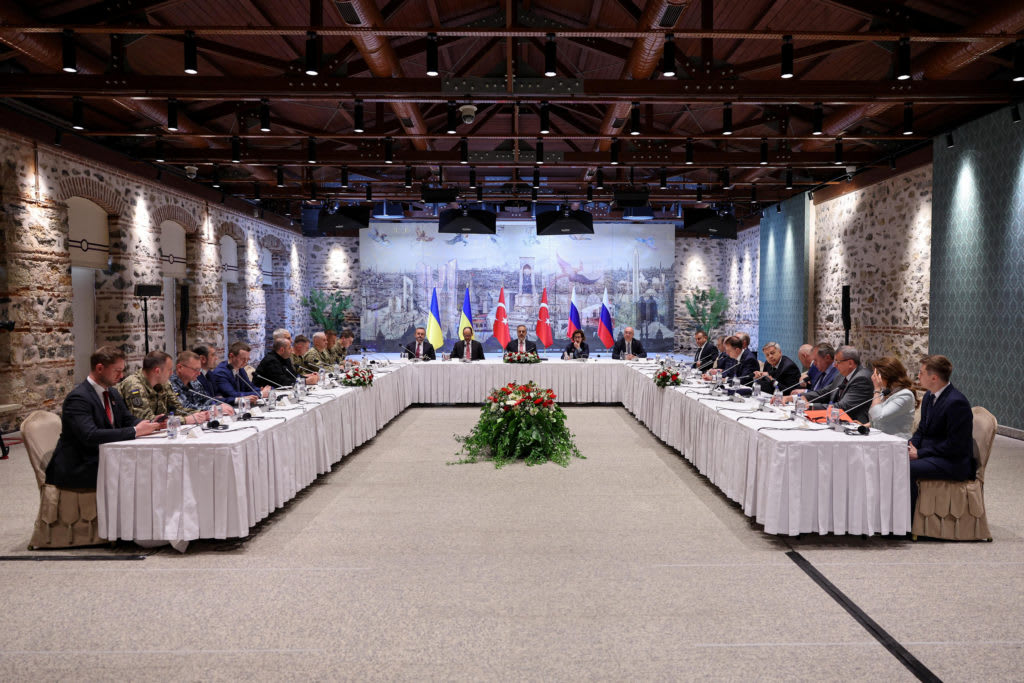
Ukraine-Russia peace talks end after less than two hours pbs
Section 2: Ukraine Peace Negotiations and the 28-Point Russian Proposal
The Evolution of Peace Proposals and Trump’s Framework
The Russia Ukraine peace negotiations entered a critical phase in November 2025 when the Trump administration unveiled a 28-point peace proposal that significantly differed from previous ceasefire concepts. Drawing parallels to the Gaza ceasefire framework, American negotiators introduced a comprehensive plan addressing territorial disputes, military deployments, NATO membership concerns, and reconstruction funding. The proposal represented a substantial shift in negotiation focus, moving from the abstract concept of ceasefire to detailed logistical arrangements for conflict termination.pbs+3
The initial 28-point proposal faced immediate criticism from Ukrainian government officials and European allies, who characterized it as heavily favoring Russian interests. The plan suggested that Ukraine should relinquish control of eastern Donbas territory, significantly reduce military capabilities, and abandon aspirations for NATO membership—concessions that Ukrainian President Volodymyr Zelenskyy characterized as unacceptable capitulation.wikipedia+2
Critical Sticking Points and Ongoing Negotiations
The most contentious issues in Russia-Ukraine peace talks center on territorial integrity, NATO membership, and military force size. Russian President Vladimir Putin has consistently demanded that Ukraine recognize territorial losses, abandon NATO aspirations, and reduce military capacity below levels that would permit significant self-defense capabilities. Conversely, Ukrainian negotiators insist that territorial restoration and NATO membership remain non-negotiable components of any lasting peace agreement.wikipedia+2
The negotiations underwent significant revision during late November 2025, with a revised 19-point proposal emerging from intensive talks between Ukrainian and American officials in Geneva. This updated framework incorporated greater flexibility on certain issues while maintaining core Ukrainian objectives regarding territorial integrity and security guarantees. Ukrainian Deputy Foreign Minister Serhiy Kyslytsya characterized the revised proposal as representing “very few elements” from the original version, suggesting significant progress in diplomatic negotiations.aljazeera
Russian Military Response and Diplomatic Stalling
Despite diplomatic initiatives, Russian military operations have intensified in key regions including Donetsk, Kharkiv, and around Kyiv. Russian forces conducted record-breaking missile and drone attacks on Ukrainian civilian infrastructure, suggesting that military commanders may not be fully aligned with diplomatic negotiations or that Moscow is attempting to improve its battlefield position before peace discussions conclude.pbs+1
The disconnect between diplomatic negotiations and military escalation raises fundamental questions about Russian sincerity in peace discussions. Former Kremlin officials interviewed by Western media suggested that Russia has no genuine intention of agreeing to a ceasefire unless it secures territorial gains and NATO restrictions that align with Putin’s strategic objectives. This dynamic creates a tense negotiation environment where each side questions whether the other party is genuinely committed to achieving peace.wikipedia+2
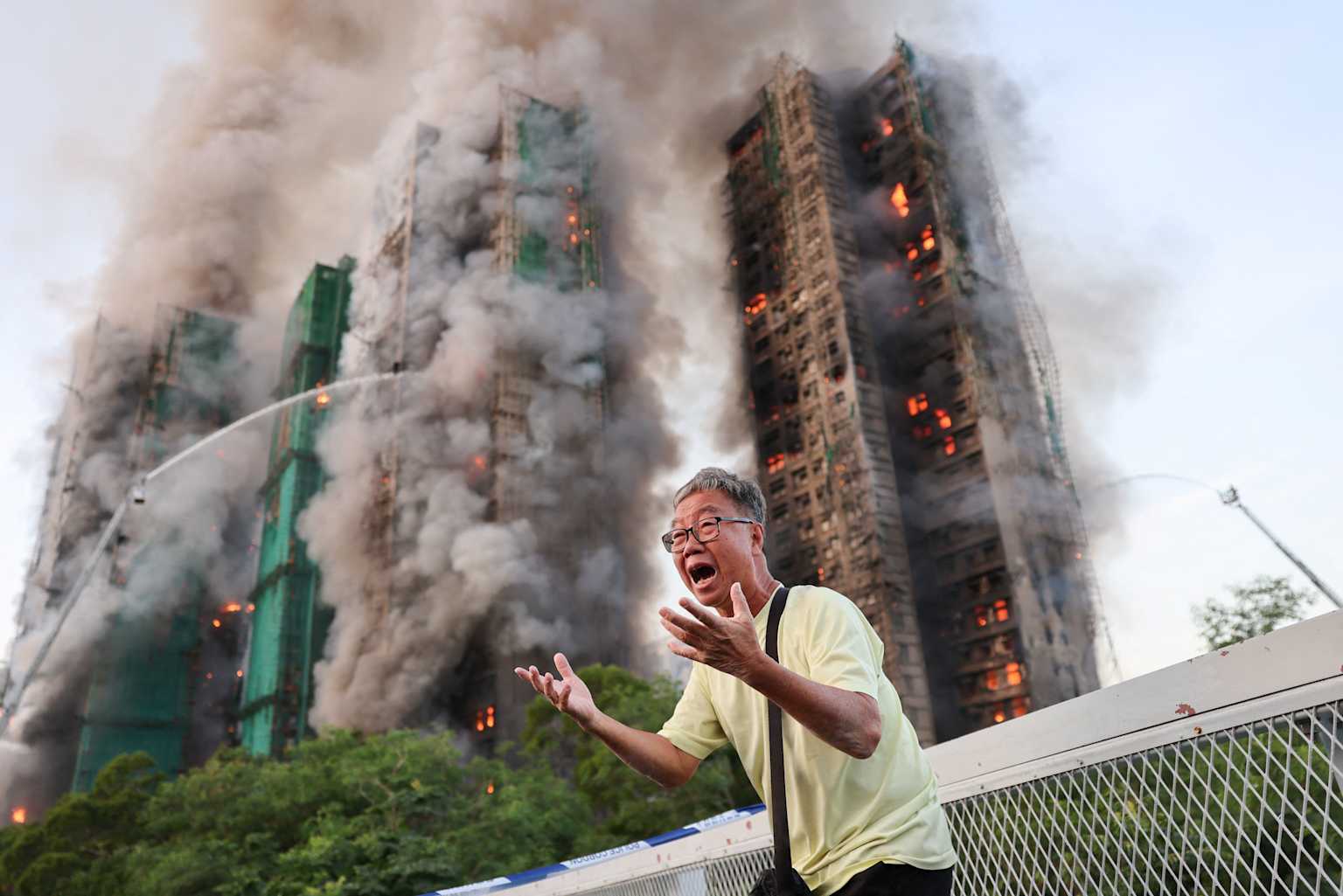
Hong Kong has suffered its deadliest fire in decades cnn
Section 3: Hong Kong’s Unprecedented Fire Disaster and Building Safety Crisis
The Tragedy: Hong Kong’s Deadliest Fire in Decades
On November 26, 2025, Hong Kong experienced its deadliest fire in modern history, when flames engulfed the Wang Fuk Court apartment complex in the Tai Po District. The catastrophic blaze claimed at least 128 lives, injured over 77 people, and left approximately 200 residents unaccounted for, representing Hong Kong’s most lethal fire since a 1948 warehouse conflagration. The scale of destruction shocked Hong Kong residents accustomed to high-rise living but unaccustomed to conflagrations of this magnitude in modern residential buildings.wikipedia+2
The fire began on external scaffolding materials covering construction renovation work and spread with unusual rapidity to engulf seven of eight residential blocks within the complex. Firefighting operations mobilized 128 fire trucks, 57 ambulances, and 767 firefighters in what became one of Hong Kong’s most challenging emergency responses. The five-alarm fire classification represented only the second such designation since Hong Kong’s handover from British colonial rule in 1997, indicating the extraordinary scale of the disaster.nytimes+1
Building Safety Violations and Negligence Findings
Preliminary investigations revealed critical building safety violations and construction negligence that contributed directly to the rapid fire spread. Construction contractors had used highly flammable polystyrene foam to cover lift windows on every floor, creating artificial fuel sources throughout the buildings. Additionally, the exterior mesh netting and bamboo scaffolding did not meet Hong Kong fire safety standards, failing to provide adequate fire barriers that would normally slow flame propagation.wikipedia+2
Hong Kong Security Secretary Chris Tang emphasized that the fire’s spread rate was “unusual” and that proper fire-rated materials would have prevented such rapid escalation. Police investigations identified construction company directors and consultants as primarily responsible, with authorities charging them with manslaughter and gross negligence. The findings triggered immediate inspections of 11 other residential projects where the same construction firm had been engaged, raising broader questions about regulatory oversight in Hong Kong’s construction industry.nytimes+2
Government Response and Ongoing Investigations
Chief Executive John Lee Ka-chiu activated emergency protocols and initiated comprehensive inspections of all public housing estates undergoing major renovations. The government allocated approximately $38 million USD in relief funds to assist displaced residents and support victim families. Additionally, authorities announced suspension of non-essential public activities and implemented three days of official mourning, with both national and Hong Kong flags flown at half-mast.nytimes+1
Among the tragic casualties was 37-year-old Ho Wai Ho, a firefighter with nine years of service in Hong Kong’s Fire Services Department who died from burn injuries sustained while responding to emergency calls. Ten other firefighters sustained injuries during rescue operations, exemplifying the extraordinary personal risks first responders assume during major disasters.wikipedia+1
Section 4: Venezuela’s Escalating Crisis and Trump Administration Pressure
Geopolitical Tensions and U.S. Sanctions Escalation
The U.S.-Venezuela crisis intensified dramatically in 2025 as the Trump administration implemented increasingly aggressive economic and military pressure against President Nicolás Maduro’s government. Beginning in January 2025, the Trump administration revoked temporary protected status for approximately 600,000 Venezuelans residing in the United States, reversing Biden-era protections and signaling a hardline approach toward Venezuelan affairs. This policy reversal represented the first major administrative action addressing Venezuelan immigration.aljazeera+1
In March 2025, the Trump administration imposed 25 percent tariffs on any country importing Venezuelan oil, creating significant economic pressure on global markets and Venezuela’s primary export revenue source. This tariff framework effectively weaponized trade policy against Venezuela, punishing not only the Maduro regime but also third-party nations attempting to maintain commercial relationships with Venezuela. The economic consequences rippled through international energy markets and created additional burdens on countries like Trinidad and Tobago that had maintained Venezuelan trade relationships.whitehouse+1
Military Presence and Clandestine Operations
Trump authorized CIA-conducted clandestine operations in Venezuela in October 2025, marking the first explicit acknowledgment of covert intelligence activities targeting the Venezuelan government. Additionally, the Trump administration announced the “Southern Spear” military mission deploying significant naval forces near South America, including the USS Gerald R. Ford aircraft carrier, dozens of F-35 fighter jets, and hundreds of naval personnel stationed in the Caribbean region.aljazeera+1
These military deployments occurred alongside reports of maritime “anti-narcotics” operations that resulted in numerous attacks on vessels alleged to be engaged in drug smuggling. Between September and November 2025, at least 21 assaults on alleged drug boats resulted in over 83 fatalities, raising international concerns about the legality and proportionality of these military interventions.aljazeera
Terrorism Designation and Diplomatic Standoff
In November 2025, the Trump administration formally designated Venezuelan President Nicolás Maduro and government officials as members of the “Cartel de los Soles” foreign terrorist organization. This designation provided legal mechanisms for imposing additional sanctions, freezing assets, and justifying expanded executive authority for military action. However, critics noted that the designation conflates purported corruption among government officials with membership in a structured criminal organization, potentially overreaching legal definitions of terrorist organizations.cnn
The Venezuelan government dismissed these designations as “ridiculous fabrications,” asserting that previous American “aggressions” against Venezuela had consistently failed to achieve their objectives. However, internal diplomatic channels remained open, with Maduro and White House officials engaged in exploratory discussions regarding potential negotiations. Trump indicated willingness to engage with Maduro “at a certain time,” suggesting that despite aggressive posturing, diplomatic solutions remained possible.cnn
Section 5: Global Economic Implications and Trade Realignment
Supply Chain Disruptions and Market Volatility
The simultaneous occurrence of multiple international crises in 2025 has created significant supply chain disruptions and market volatility affecting global economies. Venezuelan oil sanctions reduced global energy supply, contributing to petroleum price fluctuations. Ukrainian conflict escalations threatened grain exports through Black Sea corridors, affecting global food security. Gaza reconstruction requirements diverted international capital and resources toward Middle Eastern reconstruction initiatives.abcnews.go+1
Trade tensions created by Trump administration tariff policies—including the 25 percent Venezuelan oil tariffs and broader protectionist measures—generated uncertainty among multinational corporations and international trading partners. The European Union, India, and other major trading blocs began reassessing supply chains to mitigate exposure to American tariff policies, potentially accelerating trends toward regionalized economic structures.hottopics
Currency Markets and Investment Concerns
International currency markets reflected geopolitical instability through volatility in exchange rates, particularly affecting emerging market currencies and countries dependent on commodity exports. Investors reallocated capital toward perceived safe havens, including U.S. Treasury securities and precious metals, creating capital outflows from developing economies already experiencing economic hardship from diplomatic crises and military conflicts.abcnews.go+1
The humanitarian implications of these economic shifts cannot be ignored. Countries hosting Venezuelan refugees experienced budgetary pressures from increased immigration populations. Regions affected by the Ukraine conflict faced energy cost escalations as European markets competed for alternative oil and natural gas supplies. Palestinian territories and Gaza reconstruction required massive international financial commitments.pbs+2
Section 6: The Role of International Organizations and Diplomatic Institutions
UN Security Council and Multilateral Decision-Making
The United Nations Security Council faced significant challenges in 2025 as major powers pursued conflicting objectives regarding global crises. Russia’s opposition to certain Ukraine-related resolutions and China’s abstention on Gaza-related decisions demonstrated persistent divisions among permanent members that complicated international consensus-building. These divisions reflected deeper ideological conflicts between Western democracies and authoritarian regimes competing for regional influence.aljazeera+1
The International Criminal Court maintained ongoing investigations into potential war crimes related to Ukraine conflict and Venezuelan military operations, though enforcement mechanisms remained limited by competing national sovereignties and geopolitical pressures. The ICC’s ability to conduct independent investigations and prosecute violations was constrained by diplomatic considerations and nations’ varied commitments to international legal frameworks.abcnews.go
Regional Organizations and Alliance Building
Regional organizations including the African Union, European Union, and ASEAN played crucial roles in addressing geopolitical tensions within their spheres of influence. The African Union suspended Guinea-Bissau following a military coup, demonstrating continuing commitment to constitutional governance standards. The European Union coordinated response strategies to Russian military actions in Ukraine while negotiating with the Trump administration regarding trade relationships.abcnews.go+1
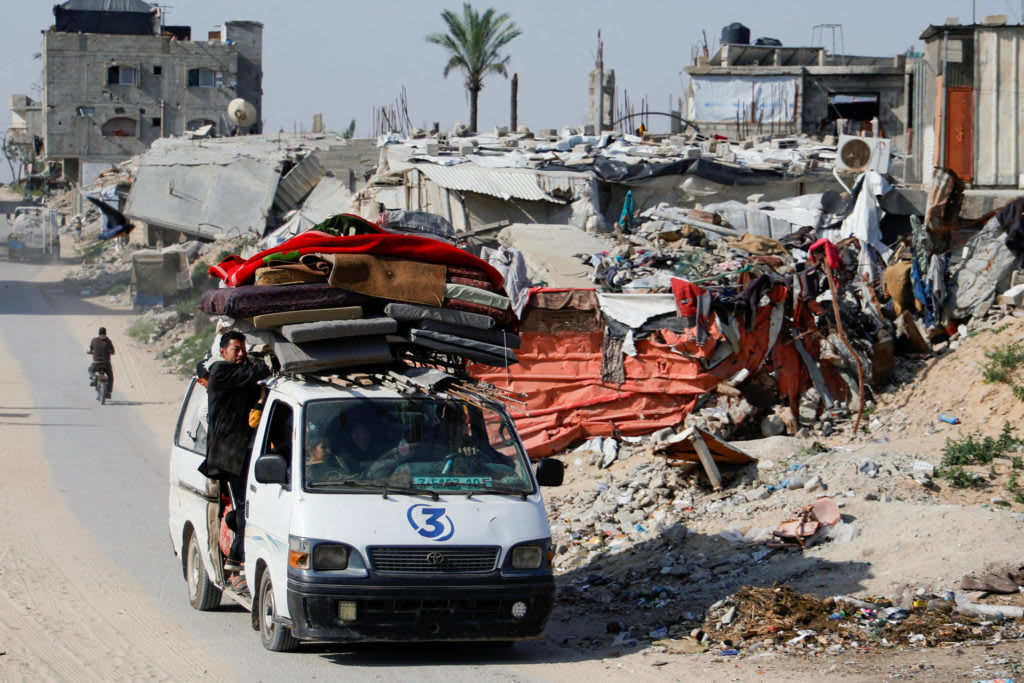
Why did Netanyahu end the Gaza ceasefire? | PBS News pbs
Conclusion: Preparing for an Uncertain Global Future
The convergence of multiple major world news events in 2025 illustrates an international system experiencing fundamental restructuring of diplomatic norms, alliance patterns, and conflict resolution mechanisms. From Gaza ceasefire negotiations to Ukraine peace talks, from Hong Kong’s humanitarian tragedy to Venezuela’s escalating crisis, the global community faces unprecedented challenges requiring sophisticated diplomatic engagement, humanitarian commitment, and commitment to international legal frameworks.
The role of the Trump administration in simultaneously pursuing diplomatic initiatives while maintaining aggressive military posturing suggests a strategy combining negotiation pressure with coercive measures. Whether this approach ultimately produces sustainable peace agreements or escalates existing conflicts remains to be determined as diplomatic negotiations continue through the final months of 2025.
International news observers and policymakers must recognize that these crises are fundamentally interconnected through global trade, refugee movements, security alliance dynamics, and competing great power interests. Addressing one crisis in isolation from others represents a shortsighted approach to international relations. Instead, comprehensive diplomatic frameworks that address underlying structural issues—territorial disputes, resources competition, ideological conflicts—offer the most promising path toward lasting stability.
As global events continue evolving, continuous monitoring of breaking international news remains essential for understanding how diplomatic initiatives, military actions, and humanitarian responses collectively shape our shared world. The decisions made by world leaders and international organizations during this critical period will likely influence global relations for decades, making informed awareness of current global affairs essential for all informed citizens.abcnews.go+5